The 2026 Portuguese edition consolidates the country as the first international market for the model created in Brazil by the World Creativity Organization and inaugurates a new stage of global expansion toward a presence in 20 countries by 2035.
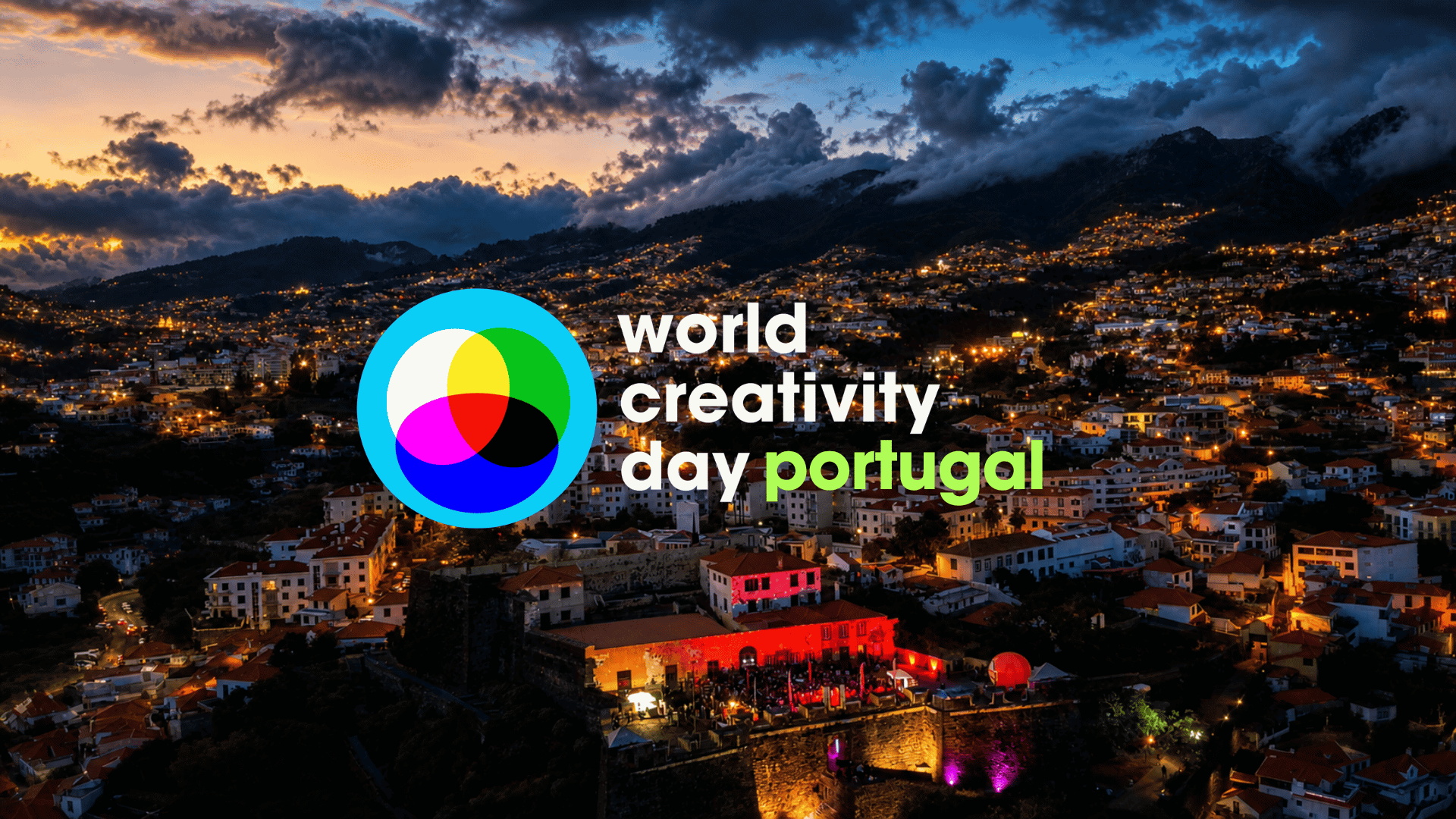
Every organization born with a global vocation must, at some point, cross the threshold between intention and achievement. For the World Creativity Organization, this movement took shape in 2026 with the success of World Creativity Day in Portugal, a country that now occupies a strategic role in the internationalization of the world’s largest collaborative creativity festival.
More than hosting an international edition, Portugal became the first validation market for the licensing model established by WCO outside the Brazilian market. The country welcomed the WCD platform by testing, adapting, and consolidating a methodology that combines brand licensing, local leadership, territorial mobilization, collaborative programming, institutional communication, and coordination with governments, companies, and creative agents.
The choice of Portugal is not merely symbolic. It follows a strategic logic. The country combines cultural and linguistic proximity to Brazil, a strong creative identity, a privileged position as a gateway to Europe, and the ability to connect tradition, innovation, culture, tourism, the creative economy, and territorial development. In terms of internationalization, Portugal offers WCO a lower-friction environment to validate processes before scaling World Creativity Day to other European and global markets.
Portugal, Europe, and the New Mercosur–European Union Context
The success of World Creativity Day in Portugal takes place at a particularly relevant moment for relations among Brazil, Mercosur, and the European Union. On May 1, 2026, the Mercosur–European Union Agreement came into force, establishing a new stage of economic, commercial, and institutional integration between the two blocs.
Although World Creativity Day is not a traditional foreign trade operation, its internationalization speaks directly to this new environment of relations between the blocs.
In this context, Portugal becomes even more important. As a Portuguese-speaking European country, a member of the European Union, and a nation historically connected to Brazil, the validation of WCD on Portuguese soil demonstrates that a model created in Brazil can be adapted, legitimized, and operationalized within the European institutional environment.
The provisional application of the Mercosur–European Union Agreement also reinforces a strategic interpretation: integration between the blocs should not be understood only through the circulation of traditional goods, services, and investments, but also through the circulation of knowledge, culture, innovation, creativity, and symbolic assets. This is the field in which WCO positions itself.
If the agreement expands the conditions for economic rapprochement between Mercosur and the European Union, World Creativity Day in Portugal offers concrete evidence of how this rapprochement can find expression in the creative economy. WCO begins to act as an organization capable of transforming Brazilian creativity into an international methodology, connecting territories, leaders, and institutions through a shared development agenda.
Marta Leite de Castro’s Creative Leadership in Portugal
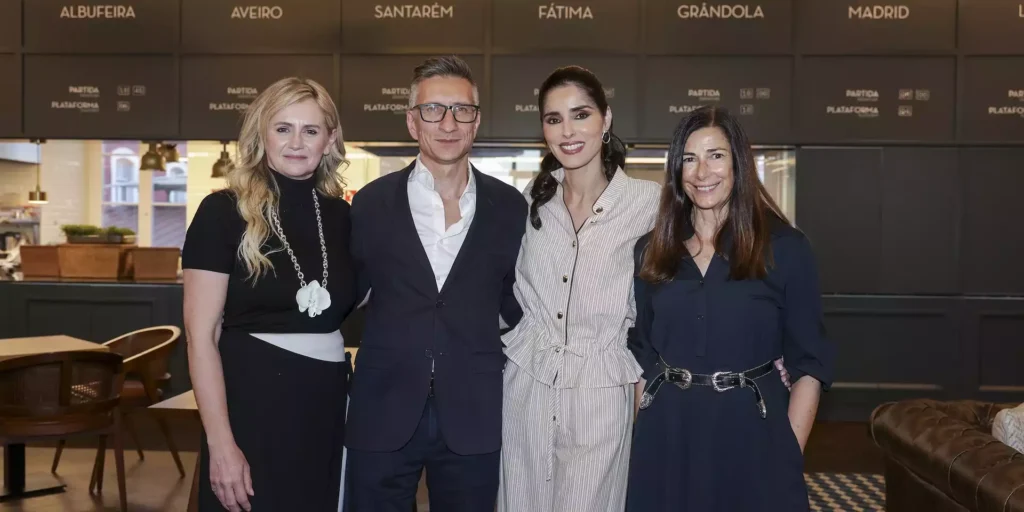
Portugal’s 2026 journey was built in stages. First, Marta Leite de Castro, national leader of World Creativity Day Portugal, gave visibility to the vision that the country possesses talent, innovation, critical thinking, and a cultural identity capable of engaging with the global creativity agenda. The initiative then gained institutional articulation, a binational launch, territorial adherence, and coverage in the Portuguese press, publicly recording the initiative’s progress in Portugal, including publications about the arrival of World Creativity Day in the country and the launch marked in São Paulo.
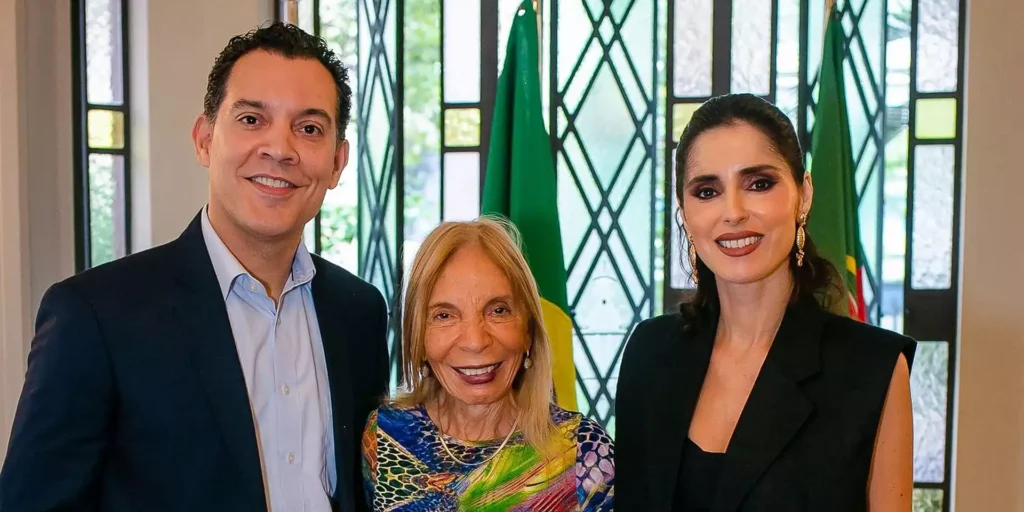
This path is relevant because it demonstrates that WCD’s internationalization did not happen by chance. There was leadership, articulation, mobilization, and execution. The Portuguese case shows that the model can be embraced by local leaders without losing its institutional origin, its global governance, or its connection with the World Creativity Organization.
The Importance of Sérgio Nóbrega’s Leadership on Madeira Island
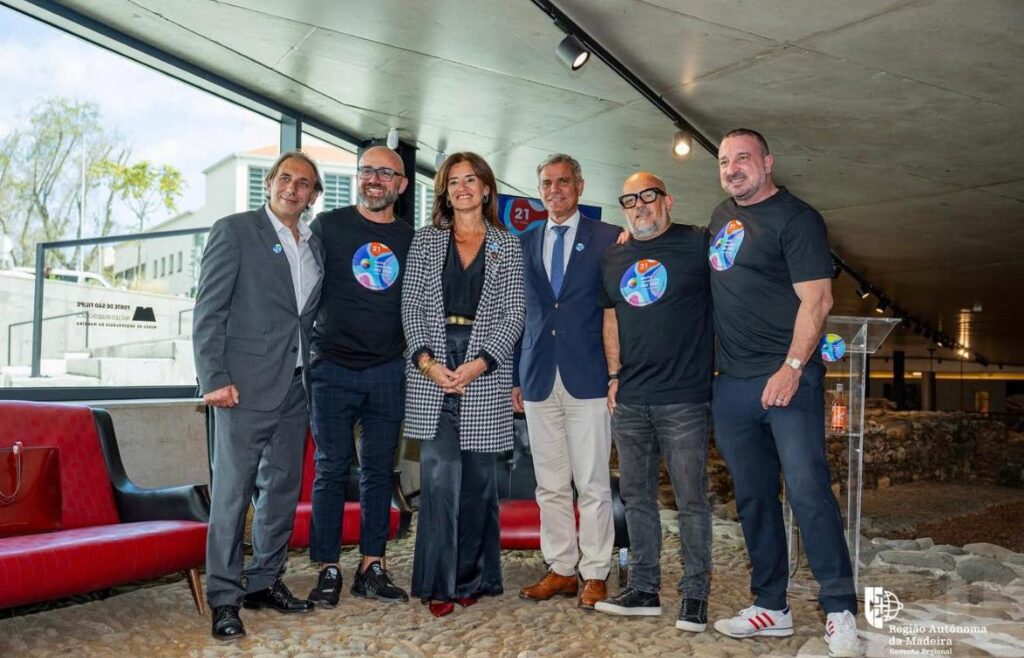
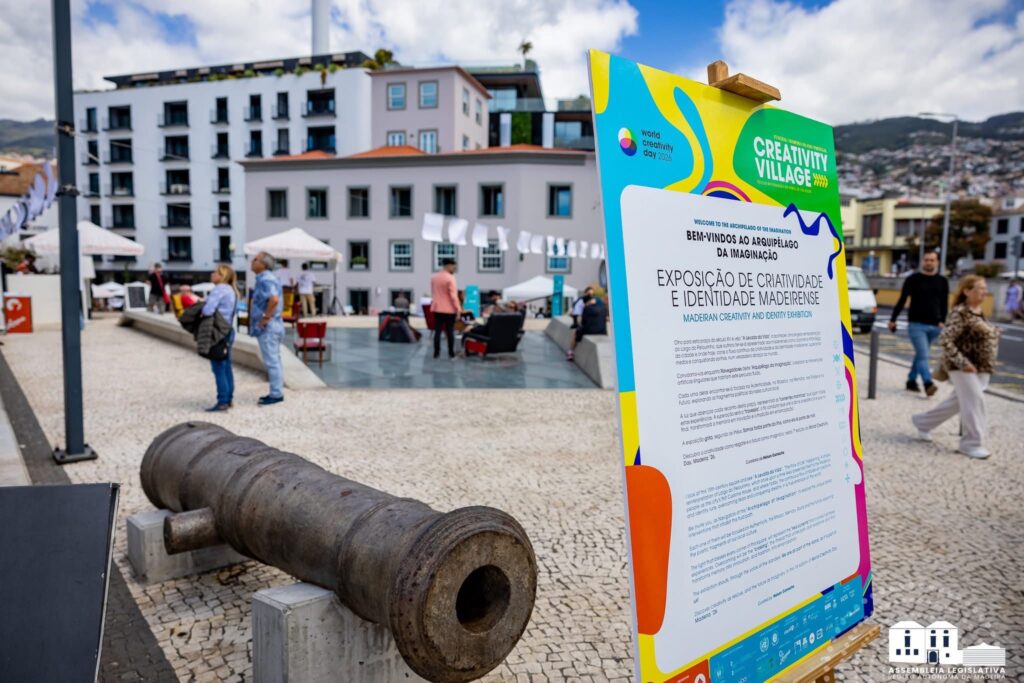
On Madeira Island, the main territory of this edition, validation gained institutional depth through Sérgio Nóbrega. The Legislative Assembly of the Autonomous Region of Madeira recorded the presence of President Rubina Leal at a press conference related to World Creativity Day, held at the São Filipe Fort Museum Center. On that occasion, creativity was presented as a strategic resource for economic and social development, and the creative industries were highlighted as a contemporary driver of employment, self-employment, regional talent development, social inclusion, and sustainable growth.
This recognition is central to WCO. World Creativity Day is not limited to a celebratory agenda. Its strength lies in transforming creativity into social, economic, cultural, and educational infrastructure for territories. When a region such as Madeira associates the initiative with development, innovation, identity, and sustainability, WCD ceases to be merely an event and becomes a platform for public policy, community articulation, and territorial valorization.
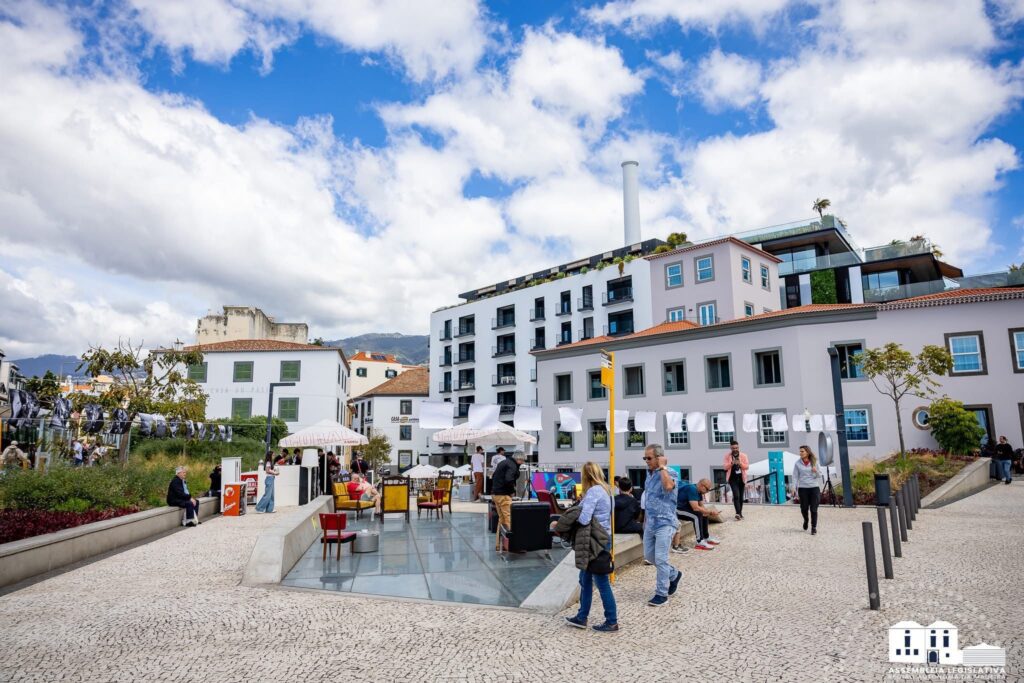
Portugal also made it possible to test one of the most important dimensions of international expansion: local adaptability. Funchal, Amarante, Vila Verde, Barcelos, and Fafe were the first cities to join the creativity agenda based on their own cultural vocations. This diversity matters because it shows that WCD does not depend on a single format. It can take on different expressions according to the identity of each city, region, or community.
For members of the World Creativity Organization, Portugal’s success should be understood as a collective achievement. Every member who supports WCO contributes to the construction of an institutional infrastructure capable of taking methodologies, programs, events, and collaboration networks to other countries. Portugal, therefore, does not represent only an operational victory. It represents proof of value for the organization’s global community.
WCO’s goal is to bring World Creativity Day to 20 countries by 2035. For this ambition to be credible, it is not enough to announce new markets. Processes must be validated. Portugal fulfills this function. The country inaugurates the organization’s international learning curve, enabling the refinement of licensing protocols, compliance, methodological transfer, communication, brand governance, leadership training, and impact assessment.
From the perspective of the creative economy and internationalization, World Creativity Day can be understood as a Brazilian intangible asset in the process of export. What is exported is not a physical product, but a combination of brand, reputation, methodology, community, knowledge, governance, and mobilization capacity. Portugal was the first market to demonstrate that this asset can cross borders, adapt to a new cultural context, and generate public recognition.
This movement opens the doors to the European market because it gives WCO its first concrete reference within the continent. From Portugal, the organization now has a case to present to other cities, governments, cultural institutions, universities, companies, and creative leaders interested in joining World Creativity Day. The Portuguese experience creates repertoire, evidence, and confidence for new international conversations.
The success of WCD Portugal also strengthens Brazil’s role in the global creativity agenda. An initiative created from Brazil, matured on a national scale, and now validated in Portugal carries an important message: Brazilian creativity is not only cultural expression; it is also method, governance, social technology, and an exportable model.
In 2026, Portugal did not merely host World Creativity Day. Portugal helped prove that World Creativity Day can become a global platform for creative development.
For the World Creativity Organization, this is the true meaning of the achievement: what was born as a Brazilian mobilization is beginning to demonstrate, on European soil, that it can belong to the world.