Indonesia Advances Toward Hosting the Year of Creativity 2027
World Creativity Organization · 9 November 2026
Leia em português → · Leer en español →
Indonesia's Minister of Creative Economy acknowledges the World Creativity Organization's invitation and highlights the initiative's potential to expand international cooperation, strengthen the creative industry and generate sustainable economic development.
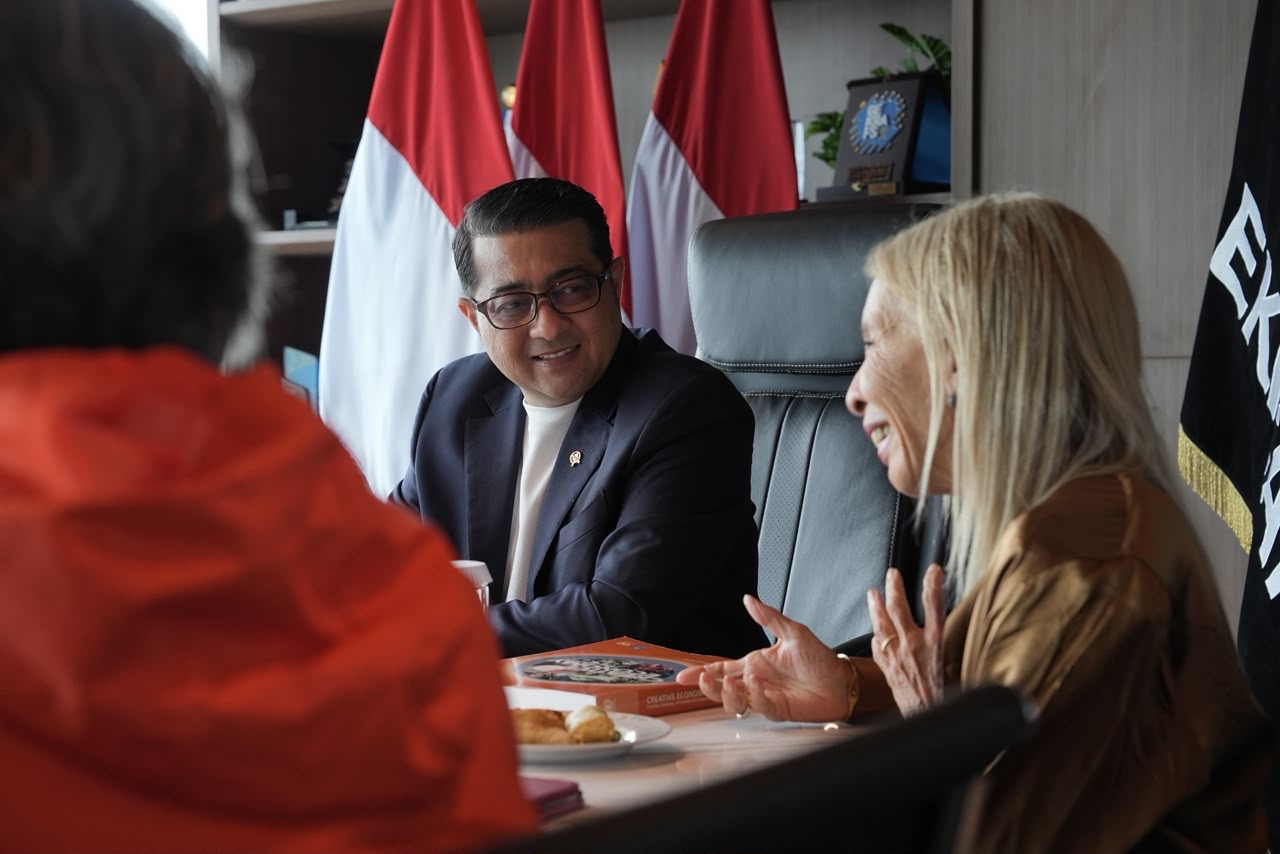
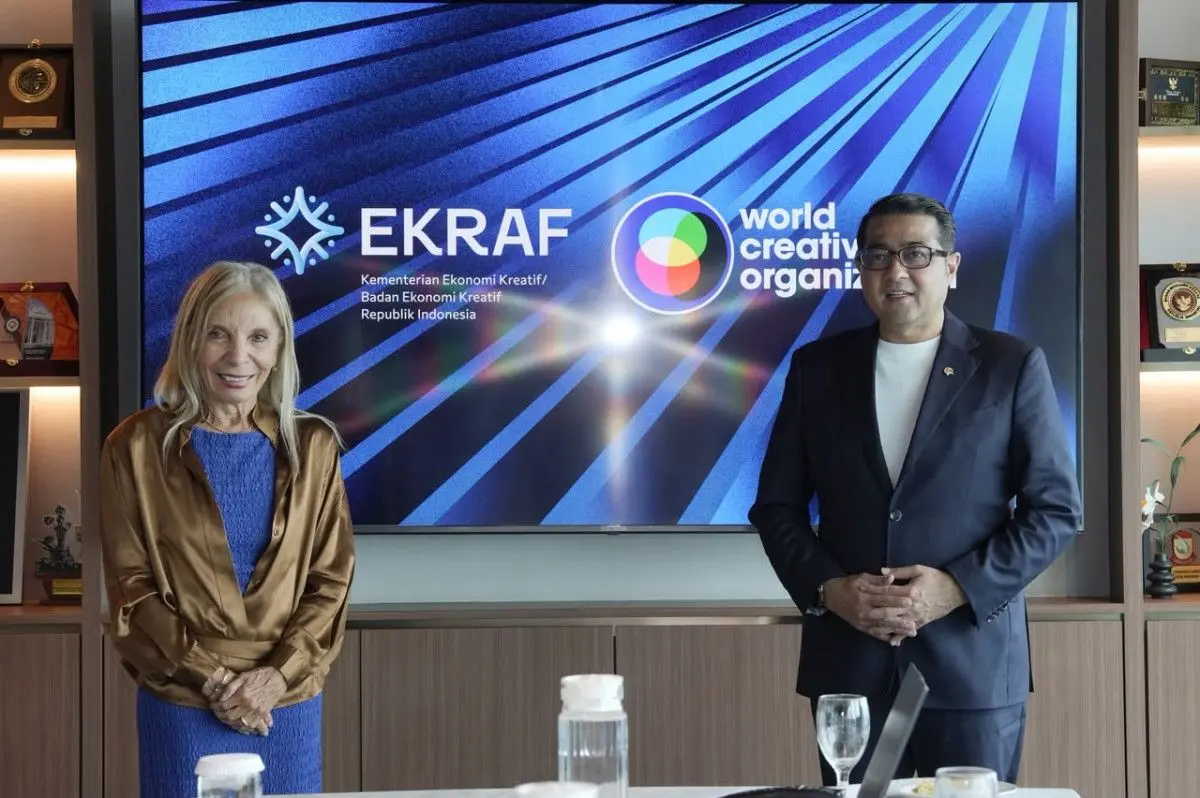
São Paulo, November 9, 2026 — Indonesia may become the next host country of the Year of Creativity, the international initiative of the World Creativity Organization (WCO) inaugurated by Brazil in 2026. The possibility gained prominence in the Indonesian press after a meeting held in Jakarta on October 26 between the Minister of Creative Economy, Teuku Riefky Harsya, and a WCO delegation represented by its co-founder and vice-president, Edna dos Santos-Duisenberg.
The meeting was officially announced by Indonesia's Ministry of Creative Economy and was covered by outlets such as public broadcaster TVRI, Radio Republik Indonesia (RRI), the international news agency ANTARA News and publications specializing in business and the creative economy.
The reports highlighted the initiative's potential to expand the international presence of Indonesia's creative economy, stimulate new business opportunities, strengthen partnerships between countries and showcase creative talent, products and enterprises.
Minister of Creative Economy acknowledges WCO's invitation
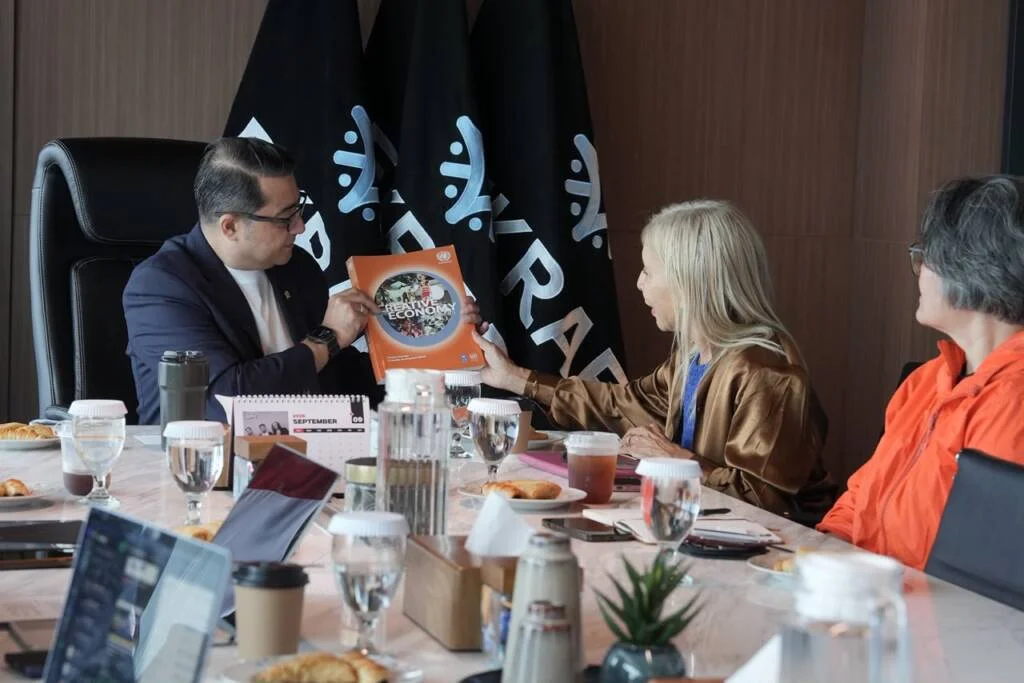
During the meeting, the WCO delegation presented the objectives of the Year of Creativity, its delivery model and the mechanisms for selecting host countries.
Minister Teuku Riefky Harsya acknowledged the importance of the invitation and stressed the strategic role of creativity in economic development, innovation and international competitiveness.
In a statement published by Indonesia's Ministry of Creative Economy, the minister said:
"We greatly appreciate WCO's initiative in inviting Indonesia to consider the role of host of the Year of Creativity 2027. We understand that creativity is not merely an artistic expression, but a strategic instrument that drives innovation, creates new business opportunities, strengthens the country's international competitiveness and promotes economic development, social inclusion, sustainability and human progress."
Teuku Riefky Harsya, Minister of Creative Economy of Indonesia.
The statement represents public recognition of the WCO initiative by the Indonesian government and shows its alignment with national priorities for strengthening the creative economy.
The minister also noted that hosting the Year of Creativity could offer an international platform to showcase the country's diversity and productive potential.
"This initiative has great potential to become an important platform for presenting Indonesia's creative ecosystem to the world. We hope our participation will not be limited to holding an event, but will produce sustainable economic impact, expand cooperation networks between countries and strengthen the foundations of our creative industry in the long term."
Teuku Riefky Harsya, Minister of Creative Economy of Indonesia.
Both statements were originally published in Indonesian in an official release from the Ministry of Creative Economy on October 26, 2026. The excerpts above are free translations.
Government begins assessment for hosting the Year of Creativity 2027
In addition to recognizing the relevance of the proposal, the Ministry of Creative Economy announced the preparation of an internal assessment to examine the conditions required to deliver the program.
The study is expected to consider available infrastructure, opportunities for strategic partnerships and the initiative's alignment with national economic priorities.
During the meeting, government representatives also sought to learn about Brazil's experience as the first host country of the Year of Creativity, considering its mobilization model and how it could be adapted to the Indonesian context.
The discussions covered opportunities for young talent, professionals and creative entrepreneurs to expand their presence in international markets, as well as the potential for collaboration with creative institutions and communities from different countries.
The official decision on holding the Year of Creativity 2027 in Indonesia will depend on the completion of this assessment and the corresponding institutional procedures.
Indonesian press highlights closer ties between the government and WCO
The meeting between the Indonesian government and the World Creativity Organization received coverage from different segments of the national and international press.
The Ministry of Creative Economy published the news on its institutional portal under the headline Indonesia Ditunjuk Jadi Tuan Rumah Year of Creativity 2027, highlighting the country's nomination to host the initiative and the preparations for its possible delivery.
Public broadcaster TVRI and Radio Republik Indonesia covered the studies required for the government's decision, while ANTARA News presented the subject to an international audience in a report published in English.
Coverage also reached outlets such as Marketing-Interactive, Medcom.id, Inacraft News, Media Kompeten and Koran Jakarta.
Although headlines took different approaches to the stage of the candidacy, the publications converged in highlighting the opportunities for international cooperation and the initiative's potential to strengthen Indonesia's creative economy.
The coverage increases the visibility of the Year of Creativity and helps position WCO's initiative in the international debate on creativity, innovation and sustainable development.
From Brazil to Indonesia: an international agenda for creativity
The Year of Creativity was established by the World Creativity Organization in December 2025, with Brazil chosen as the first host country, in 2026.
The initiative was designed to recognize, each year, the creative contribution of a nation and to mobilize governments, companies, educational institutions, cultural organizations and communities around a shared agenda of creativity, innovation and sustainable development.
Its model seeks to encourage international collaboration, promote the exchange of experiences and expand opportunities for the professionals and organizations that make up the creative ecosystems of participating countries.
Brazil inaugurated the initiative at a time of growing international projection of its cultural and creative output, marked by its recognition as Creative Country of the Year at Cannes Lions 2025.
Indonesia, in turn, brings together a significant ecosystem of creative professionals, entrepreneurs and industries, as well as a track record of diplomatic leadership in strengthening the creative economy as an international development agenda.
The possible hosting of the 2027 edition in the country represents an opportunity to connect two major creative ecosystems and foster new collaborative relationships between institutions, companies, governments and communities.
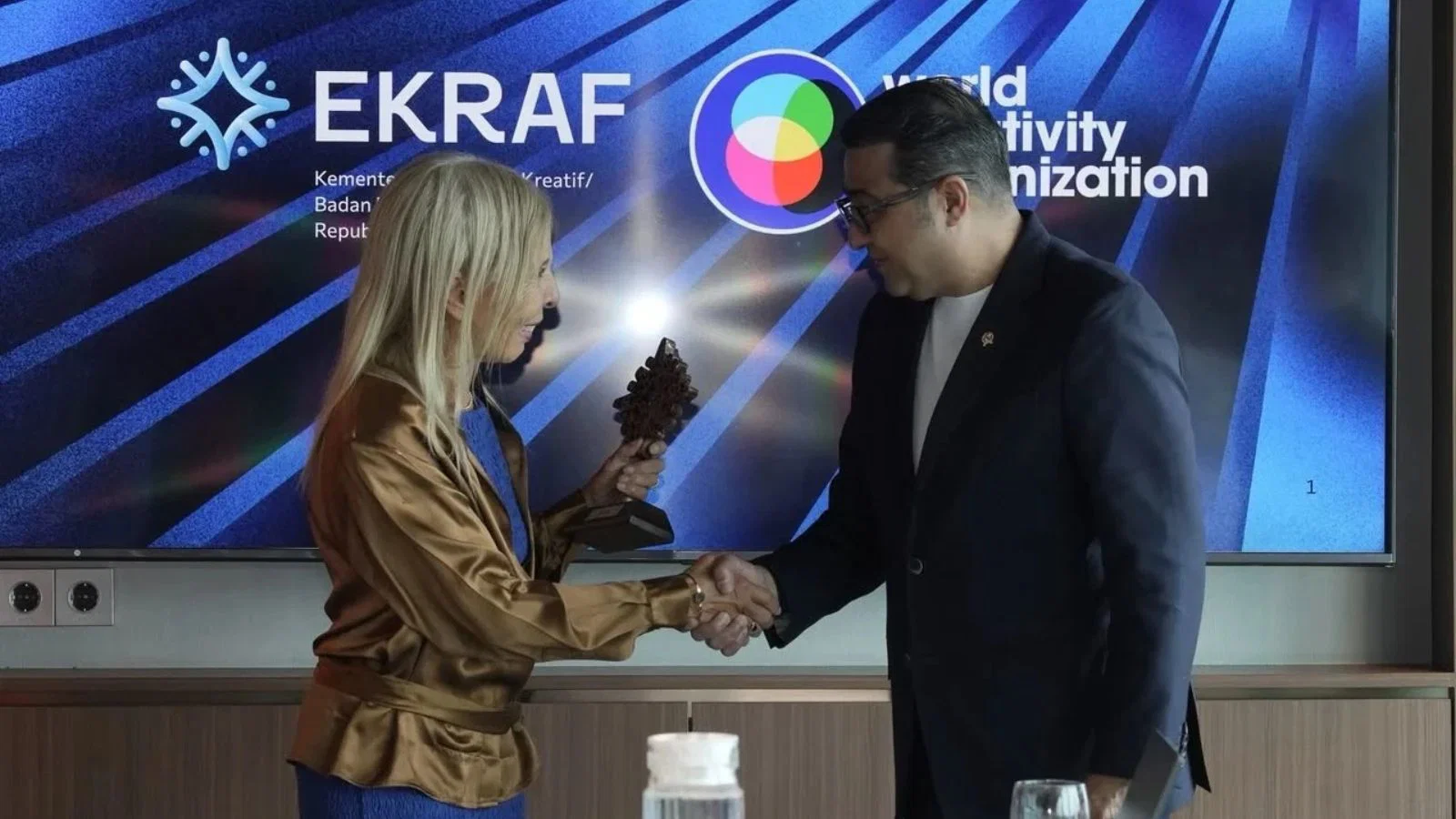
WCO highlights Indonesia's potential to expand the initiative
For Edna dos Santos-Duisenberg, co-founder and vice-president of the World Creativity Organization and former head of the Creative Economy Programme at the United Nations Conference on Trade and Development (UNCTAD), Indonesia has a dynamic and competitive creative ecosystem, with significant conditions to expand the initiative's international reach.
In a statement reproduced by Indonesia's Ministry of Creative Economy, Edna expressed optimism about the opportunities for cooperation between WCO and the country.
"We see that Indonesia has a very dynamic and highly competitive creative ecosystem. We hope this initial discussion paves the way for close and sustainable cooperation, capable of bringing Indonesia's creative potential to the international stage in 2027."
Edna dos Santos-Duisenberg, co-founder and vice-president of the World Creativity Organization.
WCO's work seeks to bring together countries that recognize creativity as a fundamental human capacity and as a strategic resource for generating economic, social and cultural value.
Through the Year of Creativity, the organization aims to encourage long-term commitments that connect public policy, education, entrepreneurship, innovation, culture and territorial development.
The closing of the first edition, held in Brazil, is scheduled for December 2, 2026, when WCO will present the results of the Brazilian mobilization and the next steps for the initiative's international continuity.
Cooperation with UNESCO and participation in the 5th World Conference on Creative Economy
The talks with Indonesia are part of a period of expanding institutional presence for the World Creativity Organization on the international agenda of creativity and the creative economy.
In November 2026, the organization announced the technical cooperation commitment of the UNESCO Office in Brazil with the Year of Creativity in Brazil. The initiative was recognized for its alignment with UNESCO's mandate in culture and with the United Nations Sustainable Development Goals, especially those related to quality education, decent work and economic growth, and sustainable cities and communities.
The technical cooperation, with no transfer of financial resources between the organizations, represents an institutional milestone for the first edition of the Year of Creativity and reinforces its connection with international commitments to human, cultural, economic and social development.
In the same period, WCO took part in the 5th World Conference on Creative Economy (WCCE), held from October 21 to 23, 2026, in Jakarta, Indonesia.
Under the theme Inclusively Creative: Collective Continuity, the conference brought together representatives of governments, international organizations, companies, researchers and creative professionals to discuss the role of the creative economy in sustainable development.
Edna dos Santos-Duisenberg joined the program with the presentation Building an inclusive economy: from the creative economy to creative ecosystems, advocating a broader development perspective capable of connecting talent, skills, finance, markets, technology and communities.
The conference also resulted in the adoption of the Jakarta Vision on Creative Economy, a document setting out international cooperation priorities related to inclusion, sustainability, artificial intelligence, intellectual property, financing and the development of creative ecosystems.
The technical cooperation with UNESCO, participation in the world conference and the talks with the Government of Indonesia are distinct but convergent initiatives in WCO's international work.
Together, they demonstrate the organization's commitment to building a global agenda that recognizes creativity not only as cultural expression, but as an essential capacity for expanding opportunities, strengthening communities and contributing to the sustainable development of nations.
About the World Creativity Organization
The World Creativity Organization (WCO) is an international organization dedicated to strengthening creativity as a strategic resource for human, economic, cultural and social development. Originating from the World Creativity Day movement, created in 2014, the organization connects professionals, companies, governments, educational institutions and communities through international initiatives, training, certifications and collaboration platforms. Its initiatives include World Creativity Day, the Brazil Creative Awards (Prêmio Brasil Criativo), the World Creativity Academy and the Year of Creativity.
Sources and references
- Ministry of Creative Economy of Indonesia — Indonesia Ditunjuk Jadi Tuan Rumah Year of Creativity 2027 (10/26/2026).
- ANTARA News — Indonesia Eyes Hosting the Global Year of Creativity in 2027 (10/29/2026).
- TVRI News — Indonesia Prepares Assessment for Hosting the Year of Creativity 2027 (10/28/2026).
- World Creativity Organization — UNESCO Commits to Cooperation with the Year of Creativity in Brazil (11/05/2026).
- World Creativity Organization — Creativity at the Heart of Development: Highlights from the 5th World Conference on Creative Economy (10/27/2026).